
Safety & Risks · July 27, 2026 · 8 min · By Thaddeus Romero
The cold related conditions that rule out fat freezing
Three uncommon disorders turn a cryolipolysis cycle from a comfortable hour into a medical event, and the intake form at most clinics does not ask about any of them by name. Two of the three are things you might already know about yourself under a different label.
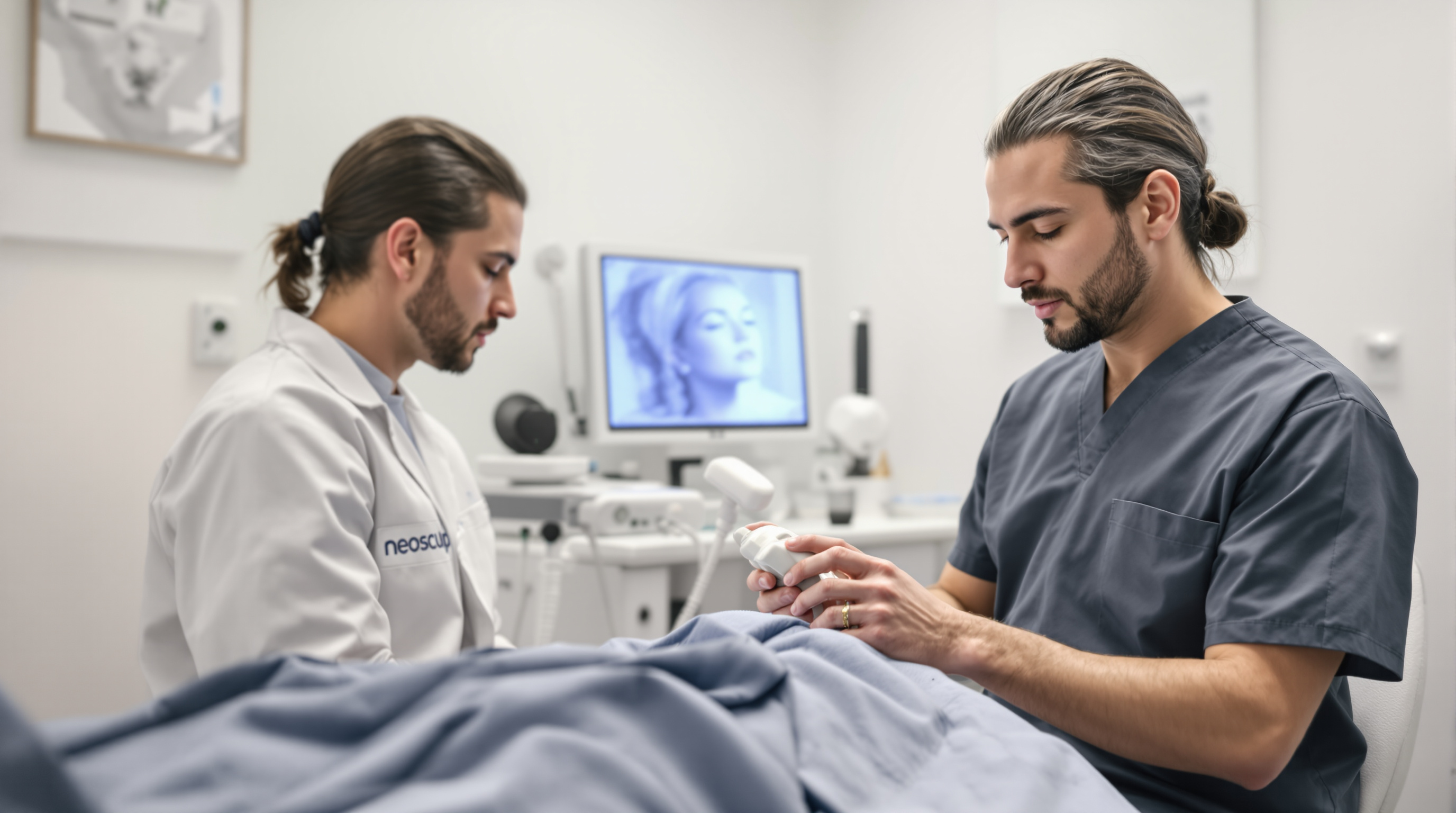
The intake form before a fat freezing appointment is usually short. Are you pregnant, do you have a hernia in the area, have you had surgery here, are you taking blood thinners. It is a reasonable list and it misses the specific category of problem that makes this particular treatment different from every other body contouring option, which is that the treatment is cold, sustained, and applied to a large area of skin for the better part of an hour.
Three uncommon disorders make sustained cold a genuinely bad idea. All three are things a patient may know about themselves without recognizing that they are relevant, because the connection between a rash you get in winter and an aesthetic device is not obvious to anyone.
The original element in this piece is a pre treatment self screen for the three cold related contraindications, written as questions about experiences you would actually remember rather than as diagnostic labels you may never have been given, plus the exact sentence to bring to the consultation if any of them lands. Manufacturer materials list these conditions by name in the contraindications section. Listing a condition by name only helps the person who has already been diagnosed with it, and a fair number of people with mild cold urticaria have never been told what it is called.
Cold urticaria. The question to ask yourself is not whether you have cold urticaria. It is whether your skin reliably produces hives, welts or intense itching where it has been cold, and specifically whether you have ever come out of cold water, or held something frozen, or come inside from winter air, and found raised itchy patches appearing over the following twenty minutes as the skin rewarmed. That rewarming detail is the giveaway, because the reaction typically fires during recovery from cold rather than during exposure to it. Mild cases are common enough to be unremarkable and are frequently written off as sensitive skin. The reason this matters for a cryolipolysis cycle is scale: an applicator chills a large surface area for a sustained period, which is a far larger provocation than an ice cube on a wrist.
Cryoglobulinemia. Here the useful question is whether you have ever been told you have abnormal proteins in your blood, whether you have been investigated for hepatitis C, or whether you get purple discoloration, sores or persistent numbness in fingers and toes in the cold that goes beyond ordinary cold hands. This is a condition where proteins in the blood precipitate at low temperatures, and deliberately lowering tissue temperature over a broad area is exactly the wrong provocation. It is genuinely rare and it is not something to worry about idly, but it is worth a moment of thought if any of those descriptions rings a bell.
Paroxysmal cold hemoglobinuria. The rarest of the three, and the self screen question is whether you have ever passed dark or red brown urine after cold exposure. Most people can dismiss this one in two seconds. The ones who cannot should not be sitting under an applicator without a conversation first.
Two more that belong on the same list. Raynaud phenomenon, meaning fingers or toes that go white then blue then red in the cold, is not an absolute bar in the way the three above are, but it is worth disclosing because it indicates an abnormal vascular response to cold and should inform the discussion. And any condition or medication that impairs sensation in the treatment area matters, because the ordinary protective signal, meaning it hurts too much, is the safety mechanism that stops a session going wrong.
The sentence to bring. If any of the questions above landed, say this at the consultation: "I get skin reactions to cold and I want to know whether that rules me out or changes anything." It is a sentence that gets the right person involved. It is considerably more effective than ticking no on a form and hoping.
What the routine risks are, separately. Setting the cold specific conditions aside, the ordinary adverse event profile of cryolipolysis is well documented. A large real world review of more than eighteen thousand treatment cycles found the overall rate of adverse events to be low, with the common ones being temporary numbness, redness, swelling and tenderness that resolve over days to weeks. Studies in specific areas, including the submental region, report a similar pattern. The rare event that does deserve its own conversation is paradoxical adipose hyperplasia, where treated fat enlarges rather than shrinks, and which is unrelated to any of the cold sensitivity conditions above.
On what clearance means here. Cryolipolysis devices reach the market through the FDA's device clearance pathways, which establish that a device is substantially equivalent to something already marketed for that use. Clearance is not a statement that the device is appropriate for you specifically, and the contraindication list that accompanies it is the manufacturer's, which means it is only as protective as the intake process that applies it. This is the practical reason a self screen is worth running: the list exists, and whether anyone puts it in front of you varies enormously by clinic. It is one of several things worth checking when choosing a provider.
What the studies do not tell you. There is no published series of cryolipolysis performed in patients with cold urticaria or cryoglobulinemia, for the obvious reason that these are contraindications and nobody has run the experiment. The exclusions rest on mechanism, which is sound but is not the same as data. Nobody has published how often clinics actually screen for these conditions, nor how many patients with mild undiagnosed cold urticaria have been treated without incident, and that second number is probably not small. The absence of reported disasters is weak evidence in a field where adverse events are captured through voluntary reporting rather than systematic follow up.
None of this is an argument against the treatment, which for the right candidate has an unusually benign profile among body contouring options and compares favorably on downtime with the surgical alternatives. It is an argument for spending sixty seconds on three questions that the form in front of you probably will not ask.