
Candidacy · July 22, 2026 · 7 min · By Delphine Okafor
Body sculpting after GLP-1 weight loss: what it can and cannot fix
Semaglutide and tirzepatide leave behind three different problems. Only two of them respond to non-invasive treatment.
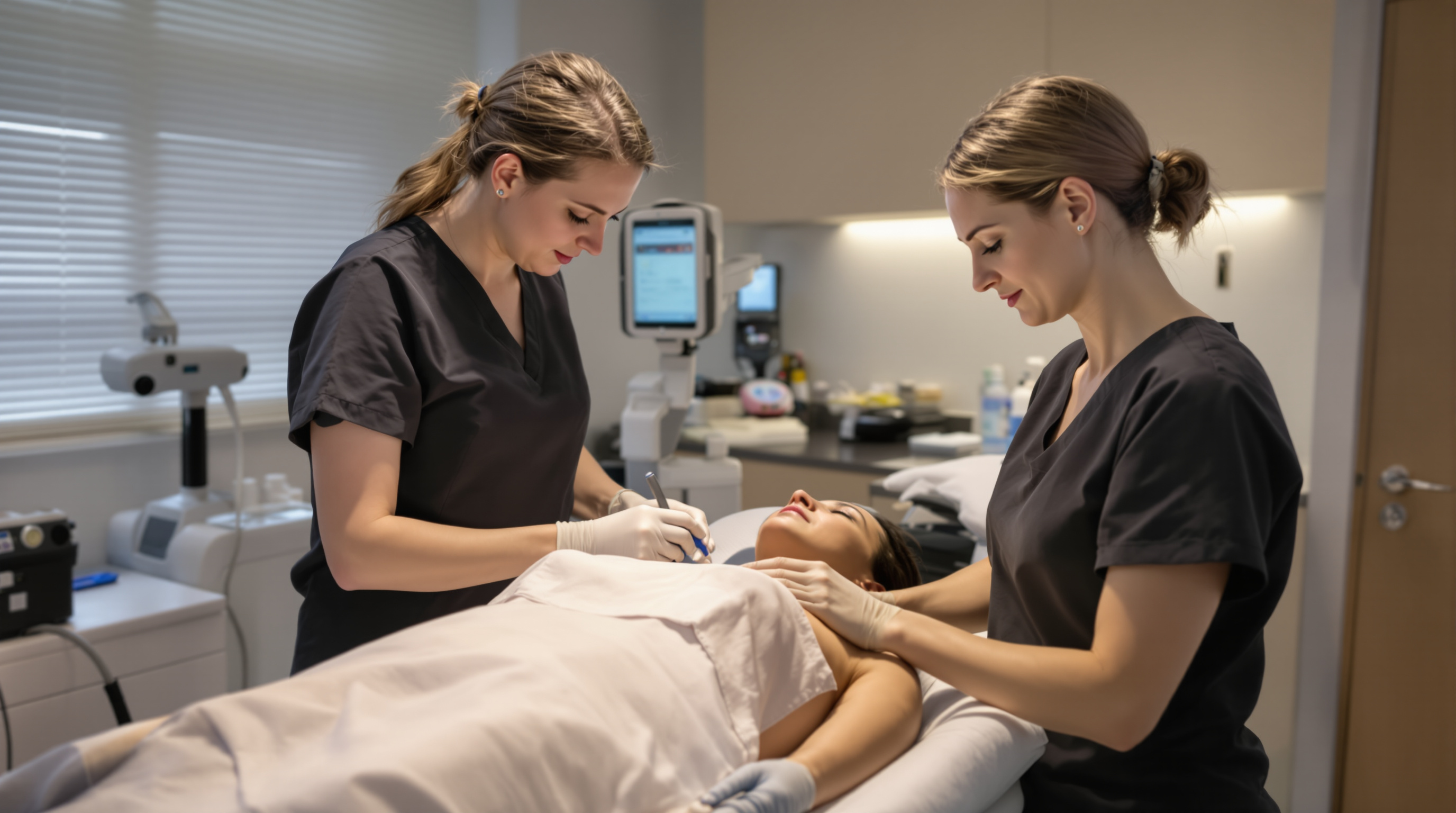
A growing share of the people now sitting in body sculpting consultations have already lost the weight on semaglutide or tirzepatide, and they are asking about the part the scale did not fix. Non-invasive body sculpting can genuinely help with two of the three problems that GLP-1 weight loss tends to leave behind: a small residual fat pocket and mild skin laxity. It cannot fix significant loose skin, and it cannot rebuild the lean tissue lost along the way. Sorting your remaining complaint into the right category before you book is most of the decision.
What large, fast weight loss actually leaves behind
The modern GLP-1 medications produce weight loss on a scale that used to require surgery. In the pivotal semaglutide trial published in the New England Journal of Medicine, participants lost an average of roughly 15 percent of body weight over 68 weeks, a result summarized in the published STEP 1 trial. Losing that much, that quickly, changes the body in ways that matter for contouring. Fat volume falls almost everywhere, which makes any genetically stubborn pocket stand out more than it did before. Skin that spent years stretched does not always retract, especially after age 40 or after repeated weight cycling. And a meaningful portion of what is lost is lean tissue rather than fat, which is why many people describe feeling smaller but softer. Those are three separate problems, and they have three different answers.
Problem one: the pocket that refused to leave
The most treatable leftover is a small, defined, pinchable pocket in someone who is otherwise at a stable, healthy weight. Flanks, the lower abdomen, inner thighs, and the area under the chin are the usual suspects, because where the body sheds fat is largely genetic and no amount of medication changes that distribution. This is exactly the profile non-invasive fat reduction was designed for, and it matches the candidacy laid out in who is a good candidate for non-invasive body sculpting.
What to expect is modest and gradual. Systematic reviews of cryolipolysis report average fat-layer reductions of roughly 15 to 25 percent per treated area, developing over two to four months, as summarized in the peer-reviewed literature on the technique. Most areas need two to three cycles. The overview of the category that the American Society of Plastic Surgeons maintains for patients describes the same staged, incremental pattern. If your remaining concern is a hand-sized pocket, this works. If it is a general softness across the whole midsection, it does not.
Problem two: skin that did not snap back
The second problem is where most GLP-1 patients get an answer they did not want. Radiofrequency and ultrasound tightening devices can firm mild laxity and crepiness by heating the deeper skin and stimulating collagen over the following months, the process explained in radiofrequency for non-surgical body tightening. For someone who lost 20 or 30 pounds and has slight looseness on the abdomen or upper arms, a course of tightening sessions is a reasonable, low-commitment option.
For someone who lost 70 pounds and can gather a fold of skin in a fist, no non-invasive device will fix it. Loose skin at that scale has to be cut away, through an abdominoplasty, a body lift, or an arm lift, and no amount of collagen stimulation substitutes for excision. A provider who sells a tightening package for a fold that large is selling you something that will not work. That tradeoff between subtle and no-downtime versus dramatic and surgical is the whole subject of non-invasive vs. surgical body contouring, and it becomes the central question for anyone who has lost a lot of weight quickly.
Problem three: the muscle that went with the fat
The third change is the one people describe without having a word for it: smaller clothes, but less firmness underneath. Rapid weight loss reliably takes lean tissue along with fat, and the effect is compounded when appetite suppression drives protein intake down at the same time. That lost tissue is not something a fat-reduction device can address, because there is no excess fat left in the area to reduce.
Muscle-stimulation treatments like the ones described in building muscle non-invasively with EmSculpt can add a modest amount of tone in a treated area, and for a lean abdomen or a flattened buttock that lost volume, a series can be a real if incremental improvement. What it is not is a replacement for resistance training and adequate protein, both of which do far more for lean mass than any device, and both of which are what most GLP-1 clinicians recommend during and after the taper. Treat muscle stimulation as a finishing tool on top of that work, not instead of it.
Timing: wait until the weight is actually stable
The most common mistake is treating too early. Fat freezing removes cells from a pocket you may still be shrinking, tightening stimulates collagen in skin that may still be contracting, and continued weight loss can leave a treated area looking uneven relative to its neighbors. Most providers want to see three to six months at a stable weight before starting a contouring plan, which usually means after the medication dose has plateaued or been tapered.
Stability matters afterward too. Cleared fat cells do not return, but the remaining ones can still enlarge, so regaining weight after stopping a GLP-1 will blur whatever contour you paid for, a maintenance reality covered in maintaining non-invasive body sculpting results. Skin quality also continues to change with age regardless of what any device did. Mayo Clinic's patient guidance on liposuction makes the same point about surgical fat removal: the result depends on holding a stable weight afterward.
What to tell your provider
Go into the consultation with the specifics: which medication you took, how much you lost, over what period, whether your weight has been flat for at least three months, and whether you are still on the drug or have tapered off. Then ask the provider to pinch each area you are unhappy with and tell you plainly whether what they are holding is fat, skin, or a lack of muscle underneath. Those three answers point to three different treatments, or in the case of substantial loose skin, to a surgeon rather than a device. A clinic that examines you and names the tissue is worth returning to. One that quotes a package before touching the area is not.
The takeaway
After GLP-1 weight loss, non-invasive body sculpting is a finishing tool, not a rescue. It works well on a small stubborn pocket, reasonably on mild skin looseness, and only modestly on lost tone. It does nothing for a genuine skin fold, and it is not a way to keep losing weight. Wait until your weight has been stable for a few months, get each complaint correctly identified as fat, skin, or muscle, and match the treatment to the tissue. Handled that way, these devices can finish a result the medication started. Asked to do a surgeon's job, they will disappoint no matter how good the device is.
Related reading: Who is a good candidate for non-invasive body sculpting?.