
Explainer · July 25, 2026 · 4 min · By Ursula Onishi
Paradoxical Adipose Hyperplasia: The Cryolipolysis Complication Worth Understanding Before You Book
Fat freezing is marketed as low risk, and mostly it is. But one rare adverse event does the opposite of what patients pay for. Here is what the research actually shows about PAH, who appears most at risk, and how it gets corrected.
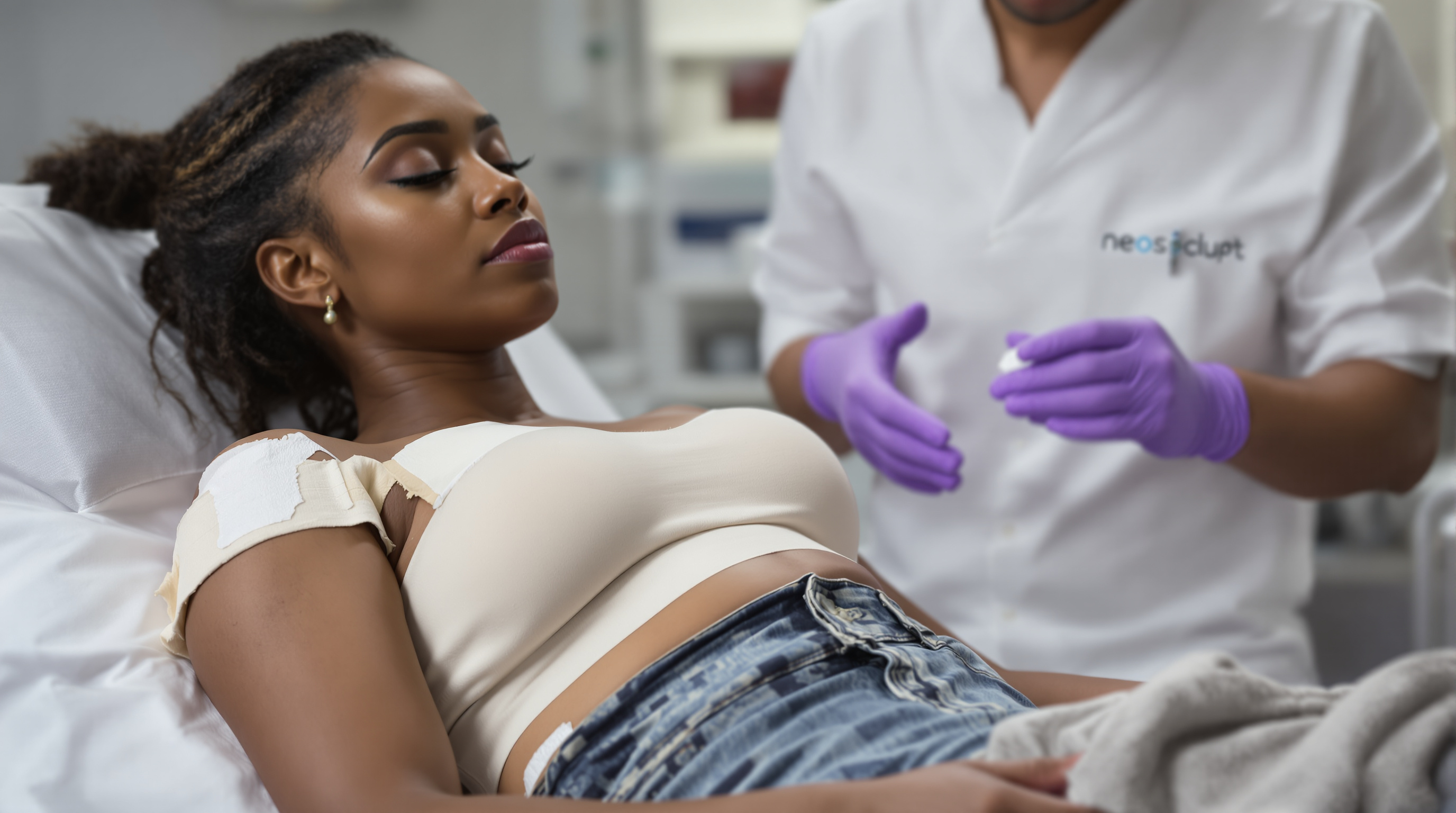
Cryolipolysis, better known by its trade name as fat freezing, has become one of the most performed non-surgical body sculpting procedures in the world. The premise is straightforward: adipocytes, the cells that store fat, are more vulnerable to cold than the skin, nerves, and muscle around them. A vacuum applicator draws tissue between cooling panels and holds it at temperatures roughly between minus 11 and 5 degrees Celsius for 35 to 60 minutes. The cold triggers apoptosis, a form of programmed cell death, and over the following two to three months the immune system clears the dead cells. Published studies generally report a 20 to 25 percent reduction in the thickness of the treated fat layer per cycle.
For most patients, that is the whole story. But there is one adverse event that deserves more airtime than it gets in consultation rooms: paradoxical adipose hyperplasia, or PAH.
PAH is exactly what the name suggests. Instead of shrinking, the treated area grows. Patients typically notice a firm, usually painless mass developing two to six months after treatment. The tell is its shape: the enlargement often matches the footprint of the applicator, sometimes described in the literature as a stick of butter under the skin. That geometry matters diagnostically, because it distinguishes PAH from ordinary weight gain, which distributes diffusely rather than tracing a rectangle where a device once sat.
How common is it, really? This is where the honest answer is uncomfortable: nobody knows precisely. The manufacturer's early estimate, widely repeated in marketing materials, put the rate at roughly 1 in 4,000 treatment cycles, or 0.025 percent. Later peer-reviewed reports have challenged that figure. Some single-center series have documented rates closer to 1 in 138 cycles, and several authors argue the condition is systematically underreported because it emerges months after treatment, when many patients have stopped following up, and because it can be misattributed to weight gain. The truthful range to hold in your head is somewhere between very rare and uncommon, with real uncertainty in between.
Who appears to be at higher risk? Published case series point to a few recurring patterns. Male patients are overrepresented relative to their share of the treated population. Abdominal treatments and larger applicators appear more frequently in PAH reports. Some series have noted higher rates in patients of Hispanic descent, though the data are too thin to treat this as settled. Applicator generation may also matter: newer cup designs with modified suction profiles have been associated with lower reported rates than earlier hardware, which is a reasonable question to raise with any provider, specifically which device generation their clinic runs.
Why does it happen? The mechanism is not fully established, but histology from excised PAH tissue offers clues. Samples show thickened fibrous septa, disorganized and enlarged adipocytes, and increased vascularity rather than the orderly cell clearance seen after a normal response. The leading hypotheses involve a hypoxic injury response: cold exposure that damages tissue without fully committing adipocytes to apoptosis may instead stimulate preadipocytes and resident stem cells to proliferate, essentially a wound-healing program that overshoots into new fat formation. Changes in local blood supply and sympathetic nerve signaling have also been proposed. None of these are proven, but all are biologically plausible, and they explain the key clinical fact: PAH tissue is not ordinary fat. It is firmer, more fibrous, and it does not respond to diet, exercise, or repeat cryolipolysis. Freezing it again tends to make it worse.
How is it corrected? The consensus approach in the published literature is surgical, most often power-assisted liposuction, sometimes combined with excision if fibrosis is significant. Timing matters: most authors recommend waiting six to nine months after onset so the tissue can soften and stabilize, which improves the odds of a clean single-stage correction. That means a patient who chose a non-surgical procedure partly to avoid surgery can end up needing exactly that. The correction is generally effective, but it is an operating room event with its own recovery and cost, and coverage for that cost varies widely by device manufacturer and clinic policy.
What should a prospective patient actually do with this? Three things. First, ask the provider directly how they screen for and disclose PAH, and what their written policy is if it occurs, including who pays for correction. A confident, specific answer is a good sign. Second, insist on standardized baseline photographs, because a documented before state is what turns a vague concern at month four into a clear diagnosis. Third, keep perspective. Even at the higher published estimates, the large majority of cryolipolysis cycles proceed without this complication, and the procedure's overall safety record remains strong. The goal is not fear. It is informed consent that includes the rare outcome, not just the brochure one.
Related reading: CoolSculpting for a double chin: what submental fat freezing can do.
Further reading: A Multicenter Evaluation of Paradoxical Adipose Hyperplasia Following Cryolipolysis for Fat Reduction and Body Contouring: A Review of 8658 Cycles in 2114 Patients (Aesthet Surg J 2021); Incidence of Paradoxical Adipose Hyperplasia After Cryolipolysis: A Systematic Review and Meta-Analysis (Aesthet Surg J Open Forum 2025); Characteristics and Treatment of Patients Diagnosed With Paradoxical Adipose Hyperplasia After Cryolipolysis: A Case Series and Scoping Review (Aesthet Surg J 2022).