
Muscle & Tone · July 6, 2026 · 6 min · By Thaddeus Romero
EmSculpt vs. CoolSculpting: which fits your goal?
One removes a fat bulge, the other builds the muscle underneath. The right choice depends on which layer is your actual complaint.
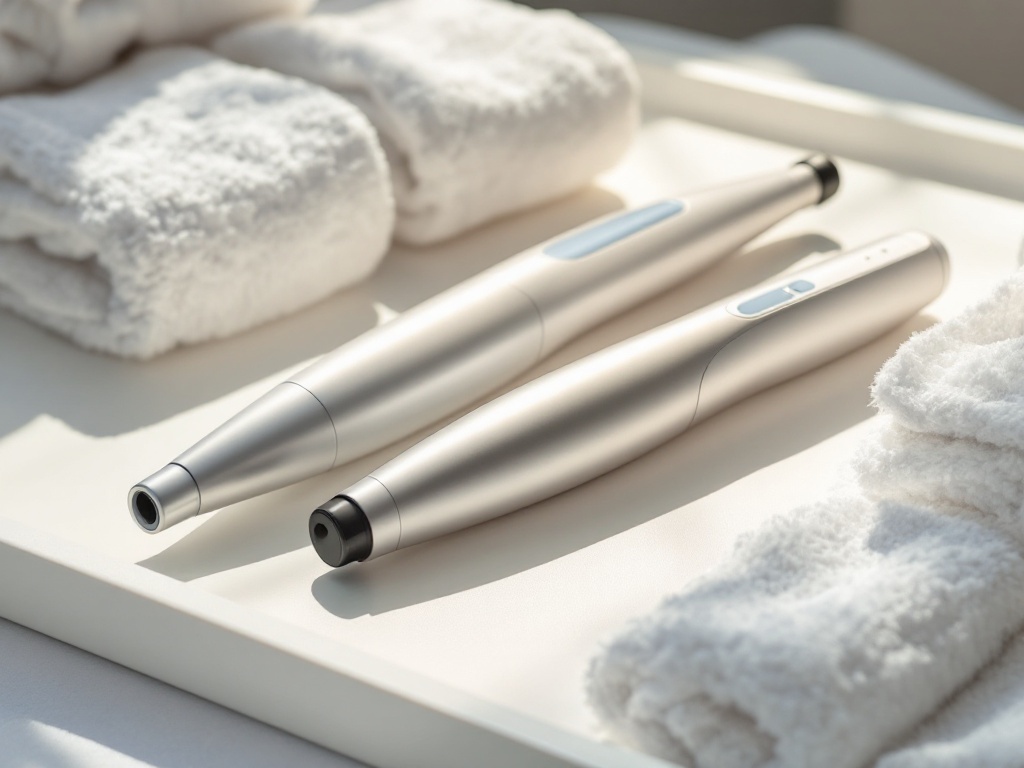
EmSculpt and CoolSculpting are not competitors so much as tools for different layers of the same body: CoolSculpting removes a pinchable fat bulge, EmSculpt strengthens and tones the muscle underneath it, and choosing between them starts with deciding which layer is actually your complaint. Pinch the area that bothers you. If what you are holding is a soft roll of fat, fat freezing addresses it. If the area is already lean but lacks firmness or definition, muscle stimulation does. If you are holding fat and also want more tone beneath it, the honest answer may be both, in sequence.
The two technologies could hardly be more different under the skin. CoolSculpting is cryolipolysis: an applicator draws in the bulge and chills it until a portion of the fat cells are damaged and cleared by the body over the following weeks, a mechanism unpacked in how CoolSculpting and fat freezing work. It subtracts tissue. EmSculpt uses high-intensity focused electromagnetic energy to force thousands of involuntary, supramaximal muscle contractions in a session, prompting the muscle to strengthen and firm the way training does, the process described in building muscle non-invasively with EmSculpt. It builds tissue. One treatment makes a pocket smaller; the other makes the structure under it stronger. Professional bodies group the fat-reduction side of this field under non-surgical fat reduction, an overview of which the American Society of Plastic Surgeons maintains for patients.
The practical differences follow from the mechanisms. CoolSculpting is typically priced per cycle, needs two to three rounds per area spaced weeks apart, and its result, once achieved, largely holds at a stable weight because the cleared fat cells do not return. EmSculpt is usually sold as a series of four to six sessions over a few weeks, feels like an intense workout you lie down for, and behaves like one afterward: the tone it builds fades over months without maintenance sessions or real training, the upkeep pattern covered in maintaining non-invasive body sculpting results. Side-effect profiles differ the same way. Fat freezing leaves numbness, redness, and tenderness in the treated pocket for days to weeks, and carries the rare but real risks worth reading about before booking; muscle stimulation mostly leaves next-day soreness. Neither involves downtime in the surgical sense, and cryolipolysis devices are cleared for specific body areas, as DermNet's clinical summary of cryolipolysis outlines.
So the decision tree is short. A defined, pinchable bulge on someone near goal weight: fat freezing, budgeted as a series. A lean abdomen or flat buttock that wants firmness and shape: muscle stimulation, budgeted with maintenance. A soft midsection where fat hides whatever tone exists: fat reduction first, then reassess whether the muscle layer still needs help, or a coordinated plan that addresses fat, muscle, and skin together, the combination logic laid out in combining body sculpting treatments for better results. And where the complaint is really weight rather than a pocket or a layer, neither device is the answer, because neither is a weight-loss tool.
The marketing for both technologies blurs these lines, promising sculpted transformations that quietly require the right candidate, the full series, and realistic expectations. The technologies themselves are more honest than their advertisements: each does one specific thing, modestly and measurably, for the person whose complaint matches it. Match the device to the layer, commit to the full protocol once, and either machine can earn its fee. Pick by brand name instead of by goal, and even a good result can feel like the wrong one.
Related reading: Non-invasive body sculpting: the landscape.