
Explainer · August 9, 2026 · 4 min · By Thaddeus Romero
Cryolipolysis vs. Deoxycholic Acid for Submental Fat: What the Mechanisms Actually Tell You
Both treatments can shrink a double chin without surgery, but they destroy fat cells in completely different ways. Understanding those pathways explains the downtime, the timelines, and who each option genuinely suits.
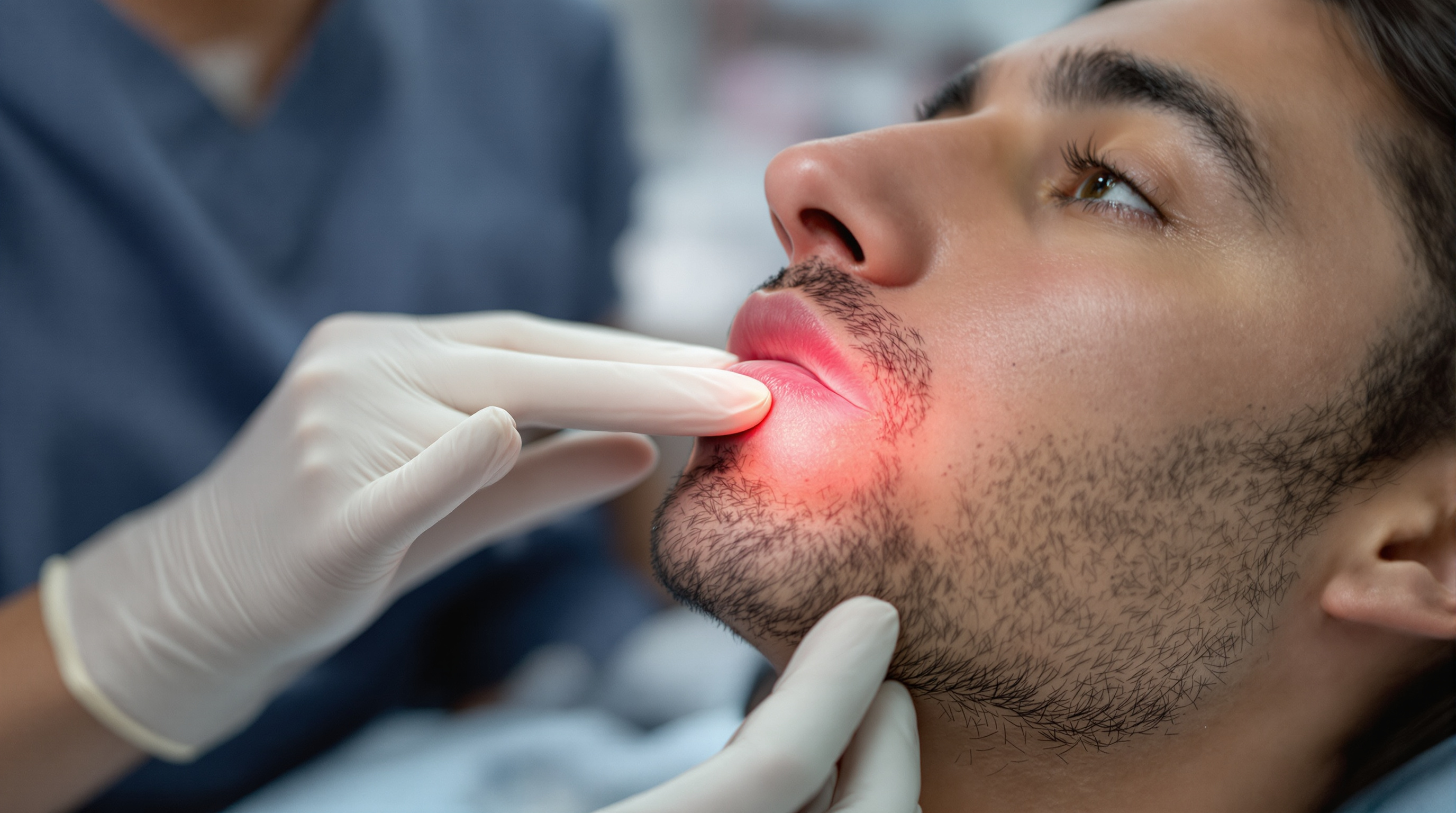
Submental fullness, the pocket of fat under the chin, is one of the most requested targets in non-surgical body sculpting. It is also one of the few areas where patients face a genuine head-to-head choice between two fundamentally different technologies: cryolipolysis, which freezes fat cells, and injectable deoxycholic acid, which chemically dissolves them. Marketing tends to flatten both into "permanent fat reduction," but the biology underneath each treatment shapes everything from swelling to scheduling. Here is what actually happens in the tissue, and why it matters when you are choosing.
How cryolipolysis works. Adipocytes, the cells that store fat, are more vulnerable to cold than the skin, nerves, and muscle around them. A cryolipolysis applicator draws the submental tissue into a cup and holds it at a controlled low temperature, typically in the range of negative 10 to negative 11 degrees Celsius, for around 35 to 45 minutes. The cold does not burst the cells on the spot. Instead, it triggers apoptosis, a programmed cell death sequence. Over the following weeks, macrophages, the body's cleanup cells, arrive and gradually digest the dying adipocytes. The lipids they contained are processed through the lymphatic system and liver, the same route dietary fat takes. This is why results are slow by design: visible change usually appears at 4 to 8 weeks, with full effect at 12 weeks or later. Published studies generally report roughly a 20 to 25 percent reduction in fat layer thickness per treatment cycle in treated areas.
How deoxycholic acid works. Deoxycholic acid is a bile acid your body already produces to emulsify dietary fat in the gut. Injected in a grid pattern into submental fat, a synthetic version of this molecule disrupts adipocyte cell membranes directly, a process called adipocytolysis. The cells rupture, an inflammatory response follows, and macrophages again clear the debris over several weeks. Because the destruction is immediate and inflammatory rather than gradual and apoptotic, the early aftermath looks different. Significant swelling is expected, often for one to two weeks, and it can be pronounced enough that many patients plan treatment around their social calendar. Most people need two to four sessions, spaced at least a month apart, because each session treats a limited volume.
Comparing the trade-offs honestly. Cryolipolysis is a single applicator session, sometimes two, with numbness, tingling, and mild swelling as the common aftereffects. Sensation changes under the chin can linger for a few weeks because the area is nerve-dense, but downtime is minimal for most people. Its main structural limitation is anatomy: the tissue must be pinchable enough to fit the applicator, and very small or very fibrous fat pads may not draw in well. There is also a rare but real complication called paradoxical adipose hyperplasia, where treated fat enlarges instead of shrinking. Estimates of its frequency vary across the literature, but it typically requires surgical correction, and any candid consultation should mention it.
Deoxycholic acid, by contrast, is precise. A skilled injector can sculpt small or irregular pockets that an applicator cannot capture, and it works in patients with modest fat volume. The trade-offs are cumulative cost across multiple sessions, more visible short-term swelling, and injection-specific risks. The most important is injury to the marginal mandibular nerve, a branch of the facial nerve running near the jawline, which can cause a temporary asymmetric smile. This is almost always self-resolving but underscores why anatomical training matters far more than the product itself.
What neither treatment does. Both destroy a portion of fat cells permanently, and destroyed cells do not regenerate. But remaining adipocytes can still enlarge with weight gain, so neither treatment locks in a jawline against future changes. Neither tightens significantly loose skin. If submental fullness is driven mostly by skin laxity or a low-positioned hyoid bone rather than fat, both treatments will underdeliver, and an honest assessment should catch that before anything is scheduled.
A practical way to decide. If the fat pad is moderate, pinchable, and you want one longer appointment with minimal social downtime, cryolipolysis fits the profile. If the pocket is small, asymmetric, or oddly shaped, or an applicator simply cannot capture it, injectable deoxycholic acid offers more precision at the cost of more sessions and more swelling. Some clinicians combine them, debulking with cold first and refining with injections later, though evidence for combination protocols remains mostly observational.
The bottom line: these are not interchangeable products competing on price. They are different biological strategies, apoptosis versus membrane disruption, each with a matching anatomy and patient. The right question in a consultation is not "which is better" but "which mechanism suits this specific chin," and any provider who cannot answer in those terms is worth a second opinion.
Related reading: How CoolSculpting and fat freezing work.